Garden Planning: Conquering the Seed Stash

We all have them. For some its a bagful, for some its a boxful, for some its even more. I’m talking about seed stashes. All those packets that seduced us from the pages of our favorite seed catalogs during the cold gray months of winter. The new varieties that call to us like sirens, the old favorites that trigger our hoarding instincts… next thing we know we have more seeds than we can grow in our space.

While not the crime of the century, I mean, seeds are relatively cheap, no one wants to waste precious gardening funds. So let’s chat about how to take care of that existing seed stash and how to make the most of your seed budget going forward.

PURGE

Okay, we all know that most seed stashes have a few packets that are a little past their prime. It’s no fun to expend the energy and supplies on starting seeds only to find they are no longer viable. So the first step is to identify which seeds will grow. There are two ways to do this-

  1. Each seed packet should have a date of when it was packed. Plant seeds vary on how long they can be stored. Johnny’s Selected seeds has a fabulous chart on how long each variety can last with proper storage. Toss any packets that are past the ideal time frame. For example, you have a packet of Snapdragons from 2014 and Snapdragons can be stored for 3-5 years. It’s probably best to toss them.

  2. Say you have seeds that were saved from your garden or gifted from another gardener, or maybe have lost their packaging so you may not know just how old they are or maybe they are right on the cusp of the storage guidelines. You can do a germination test by selecting ten seeds, placing them in moistened paper towel, and placing the paper towel inside a plastic bag. Find a warm spot for the bag and let the seeds germinate. If 5 of the 10 germinate you know the rest of the seeds should have about a germination rate of 50%. This means maybe you sow them at double the amount of the seedlings you are hoping for. You can also do this test on packets of seeds that weren’t stored well or at the end of their normal storage range.

During this stage I also like to make a pile of varieties that were interesting at one point but now I have no desire in growing again. These are great to swap with friends or give to a new gardener.

ORGANIZE

This might be my favorite step! There are lots of ways to organize your collection. Here are two of my favorites-

  1. Sort by variety, then type and season, then method of sowing. A couple of examples- all the snapdragons would be together, and then with other cool season flowers that are started indoors. Zucchini would be with other summer squash with warm season annual vegetables that are direct sown. With this system I like to keep my perennials altogether. I also will sort them according to the role they play in bouquets, all the fillers together or all the line flowers, so I can see where my gaps are.

  2. Another way is sort them all according to the date you will be sowing them. This is how we sort the thousands of seeds at Snuck Flowers. That way when it is time to start them I just have to grab one bag and I have them all. As an example we start all the cosmos and marigolds on the same day so they are in a bag together.

INVENTORY

Now that you have tossed all your old seeds and organized the remaining it is time to make an inventory that you can keep with the rest of your garden planning notes. Here is a simple sheet to record variety, amount, life span, and any notes.

Once you have any idea of exactly what you have you can make informed decisions about what you want to grow and what you may need to purchase for the up coming season.


Best Garden Yet: January Edition

January is for dreaming, dreaming of all the new blooms and plans to come in the new year. Planning is a big part of the garden prep in the beginning of the year and we are going to have a little Garden Planning series to follow along with soon. In the meantime, here are some things to think about doing to start this year’s garden off right.

Outside-

  • We’ve had a fairly warmish winter thus far, your ground isn’t frozen you could work on any garden clean up that has yet to happen. Do try to stay off your soil in your planting beds if it is wet, walking or kneeling on wet soil can lead to compaction, not a good thing for your plants.

  • Talk a walk and notice the plants in your neighborhood that look good right now. Evergreens, grasses, and trees or shrubs with colorful or peeling bark add winter interest to our gardens.

  • If it is unseasonably dry and warm, water your bulbs, especially if you are growing them for cut flowers and need long stems. When you water, try to do it on a day where the nighttime temps stay above freezing and don’t forget to unhook your hose before it freezes again.

  • If you don’t have measurements of your garden space, grab a tape measure and get that info for your winter planning session.

Inside-

  • Take some time to dream about what to grow this next year. Make a wish list of plants to research. Pin some inspiration photos. Look through your saved posts on social media. Was there a bouquet or arrangement that you want to recreate? A tomato variety you are dying to try?

  • Look over your notes. What went well? What issues did you have? Take some time to research solutions to your garden problems. This year I’m going to invest some time in figuring out how to avoid powdery mildew.

  • Get a plan together BEFORE you buy seed or start any seed. This is a big task and I’ll have some thoughts for you in the following days.

  • Organize your seeds BEFORE you buy more, I’ll have a post on that too.

  • Inventory any tools or supplies you need, it’s nice to have them on hand when the weather gets good. Things to check- netting, plant tags, watering cans and nozzles, replacements for leaky hoses, seed starting materials, etc.

  • Read a gardening book, check out some gardening magazines from the library. I love me a copy of Fine Gardening or the Garden Gate.

  • Divide your dahlias if you haven’t already.

  • Start seeds that really need to be started this early, but don’t start any others.

  • Invest in some learning opportunities. Check out the Utah Flower Conference, the Utah Food and Farm Conference, or Urban and Small Farms conference.

Seeds to Start-

  • Only the long game seeds like lisianthus, trachelium, or slow growing perennials. Pay attention to the timing.

  • Direct sow any cool season hardy annuals. They will come up when the conditions are right. Some options are bells of Ireland, larkspur, bupluerum, ammi, nigella, daucus dara, and icelandic poppy.

I would love hear your plans for this years garden! Have a happy new year!

Best Garden Yet: November Edition

Are there even things you can do in the garden in November?!? There sure are! While it’s pretty chilly in most areas of Utah there are little things you can do to make next season the best yet.

Outside-

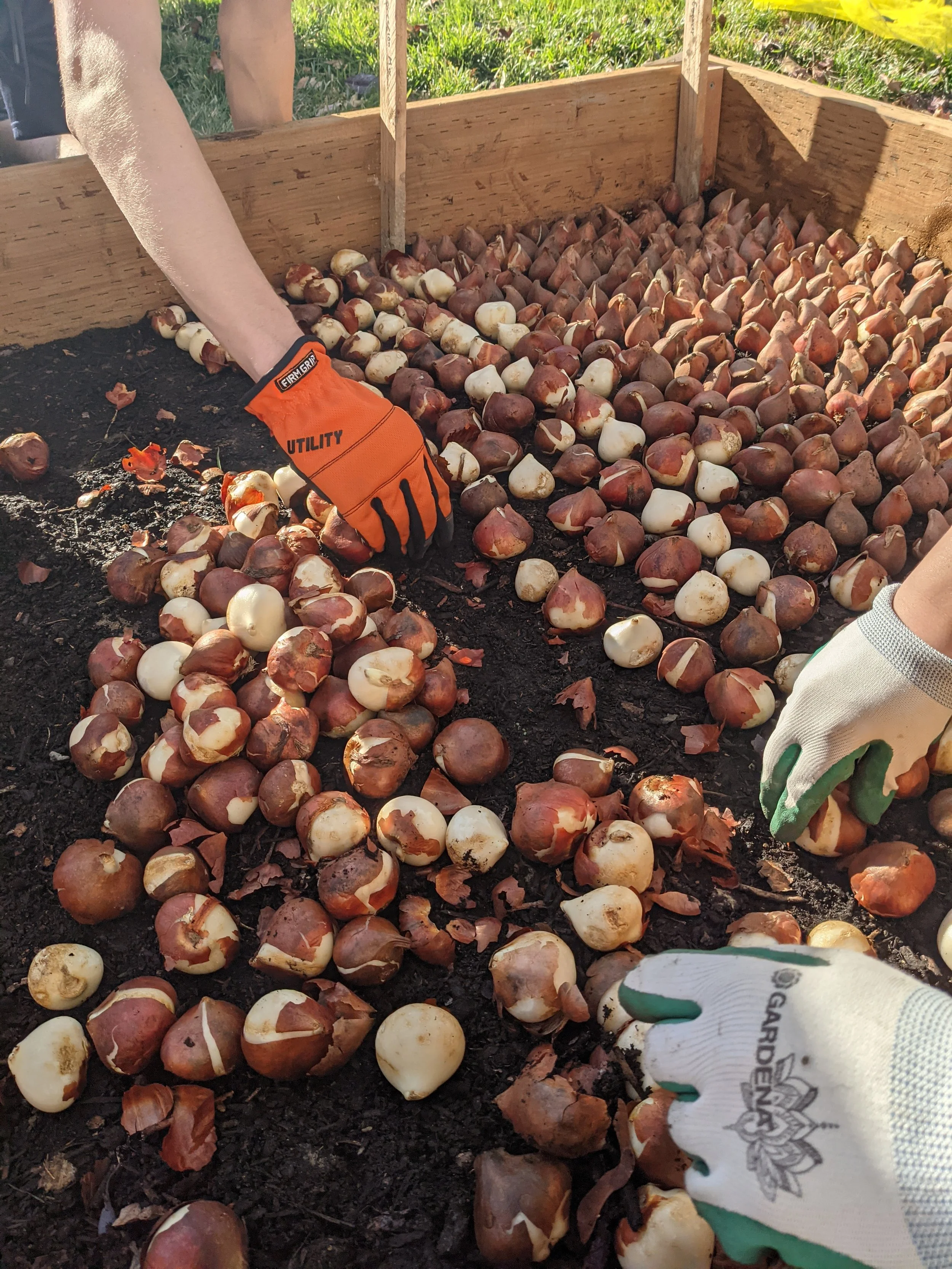
  • As long as the ground hasn’t frozen it’s not to late to plant bulbs like tulips, crocus, daffodils, and alliums. If the weather has been dry make sure to give them a good drink of water to settle them in.

  • If you haven’t yet, clear out any diseased foliage from any perennials. Powdery Mildew spores will hang out all winter on infected plant material. Removing this debris will help you get a head of it next year. Trash the foliage, do not compost it.

  • Make sure you’ve cleaned up any peony foliage. Even if they look good, peony foliage should always be cleaned up in the fall. They are especially susceptible to a lot of disease like botrytis and those diseases will over winter and affect your plants next year if not removed. Again trash the plant material, don’t compost it.

  • Sow some cold hardy seeds. They’ll emerge when they are ready with almost no work from you. See below for some suggestions.

  • Feel free to leave your healthy perennials and grasses, and even fallen leaves. You’ll provide habitat for beneficial insects and even food sources for birds.

  • Forage in your yard for any evergreens that would look fabulous in holiday trimmings. Spruce, pine, fir, holly, boxwood, juniper, Oregon grape, and arborvitae are good options for wreaths and swags.

Inside-

  • Take some time to write down how things went this season. What flowers bloomed their heads off? Which tomatoes were your family’s favorite? What disease always seems to strike your zinnias? Later in the winter you can take some to do some planning and research.

  • Take inventory of your seeds. Toss any that are too old, just keep in mind that different varieties last longer than others. You can find a great seed storage guideline here. You could even organize a holiday seed swap!

  • Take an inventory of your tools too. Are there too many of some and not enough of others? (I have about 28 pairs of snips, but desperately need a new 2nd digging fork). What needs to be sharpened, fixed or replaced? Plan to work on them after the holidays and put any needs on your Christmas list.

  • Order your seedlings for next spring. Locally you can get cut flower starts at Snuck Farm in Pleasant Grove. It’s a program I run during my winter downtime.

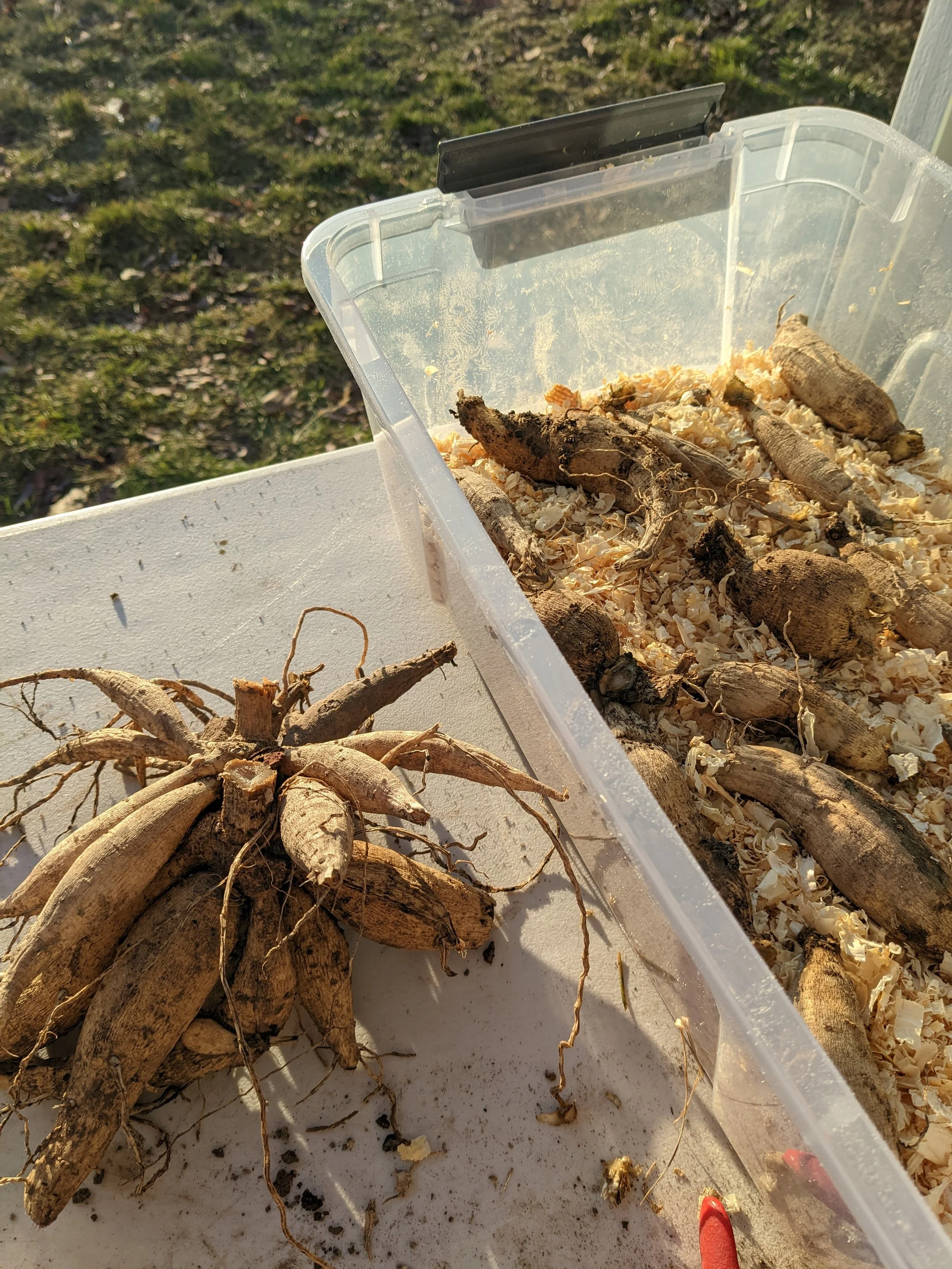
  • Divide your dahlias and get them tucked away for winter. Dahlias like to be stored between 40-50 degrees and do well packed in vermiculite or wood shavings.

Seeds to start-

  • Direct sow any of the following, even if there is snow on the ground. A lot of cold hardy plants need some cold temps to germinate, it’s called cold stratification. Bells of Ireland, nigella, bupleurum, larkspur, Agrostemma, Ammi, chocolate lace flower, and Icelandic poppies all do well direct sown in most northern Utah climates.

Happy November! I hope you enjoy a little cozy indoor weather with a seed catalog or two.