Best Garden Yet: July Edition

July in the garden is not for the faint of heart! It’s not the most pleasant month in the garden because of the heat, but spending some time in the early morning is a great way to beat the heat and get some time outdoors. I've made a list for you according to what I do here in my zone 6b/7a garden. By no means is it exhaustive, but it can give you a good idea of what you can plan to do this month in your garden.
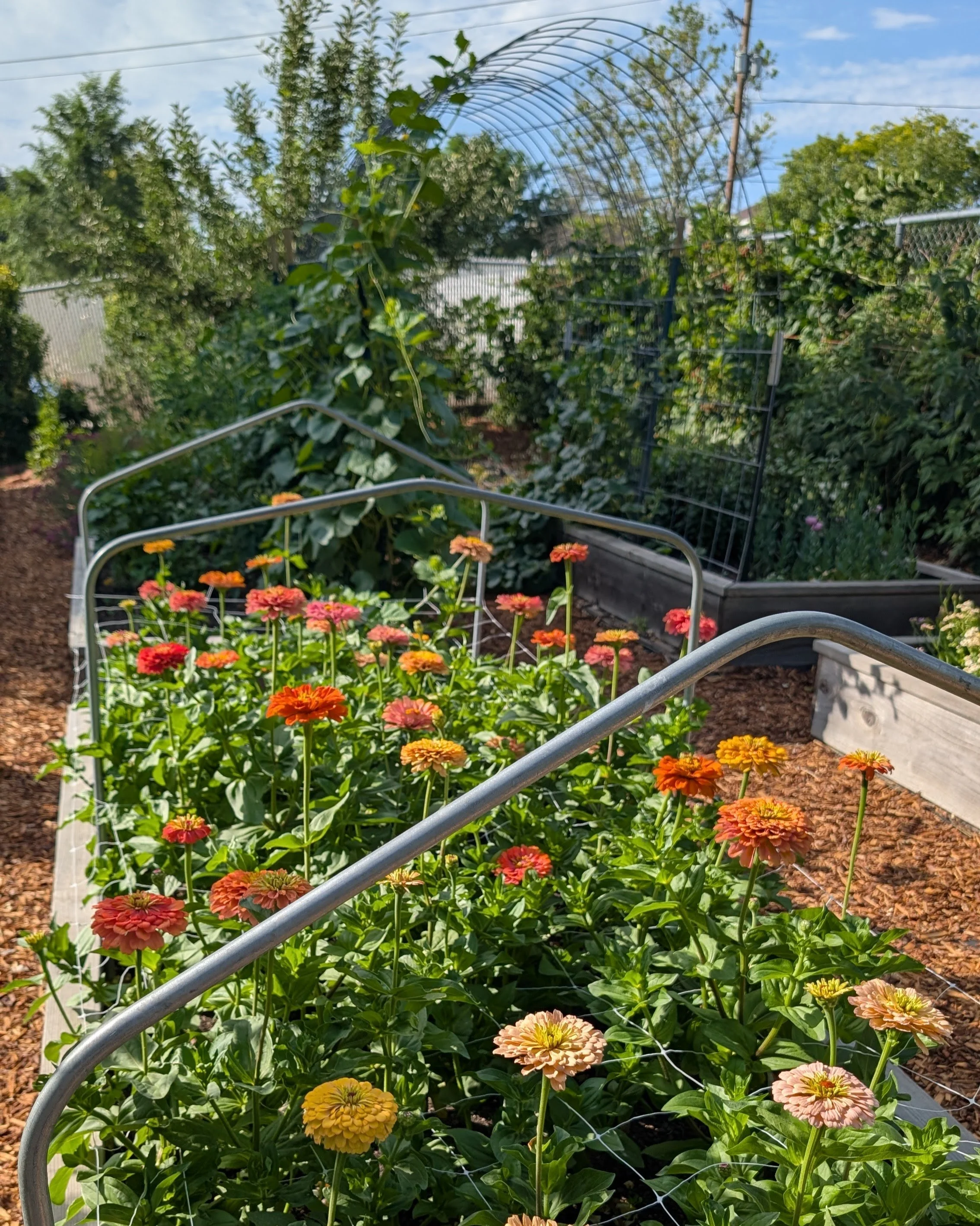
Zinnias at Sego Lily Flower Farm in July

Outside-

  • Harvest! You’ve got to harvest or deadhead to keep those summer blooms going. Shoot for two to three times a week to get the blooms (and veggies) at just the right stage.

  • Deadheading is an important task in the cut flower garden, but you want to do it a little differently than you would in a landscape. Cut your old blooms down deep so that the fresh new growth will be on long usable stems. Deadhead any seed pods that you don’t want going to seed.

  • Keep weeding! I like to give myself a small daily goal of pulling weeds in just one area or snagging any weeds going to bloom. Then I’ll have a longer early morning or late evening session about once a week to keep things under control. This is when you are really grateful if you spent time weeding and mulching earlier in the season.

  • Take some time to enjoy your garden! Sit on a bench, swing in a hammock, watch the sunset or sunrise.

  • Train your veggies. If you are growing on a trellis or cattle panel take a moment every day or two to train vining plants like tomatoes or cucumbers up the trellis

  • Adjust your watering. It’s hot, your plants probably need more water than any other time of year.

  • Keep your birdbaths full of fresh clean water. Not only will the birds thank you but so will the thirsty beneficial insects.
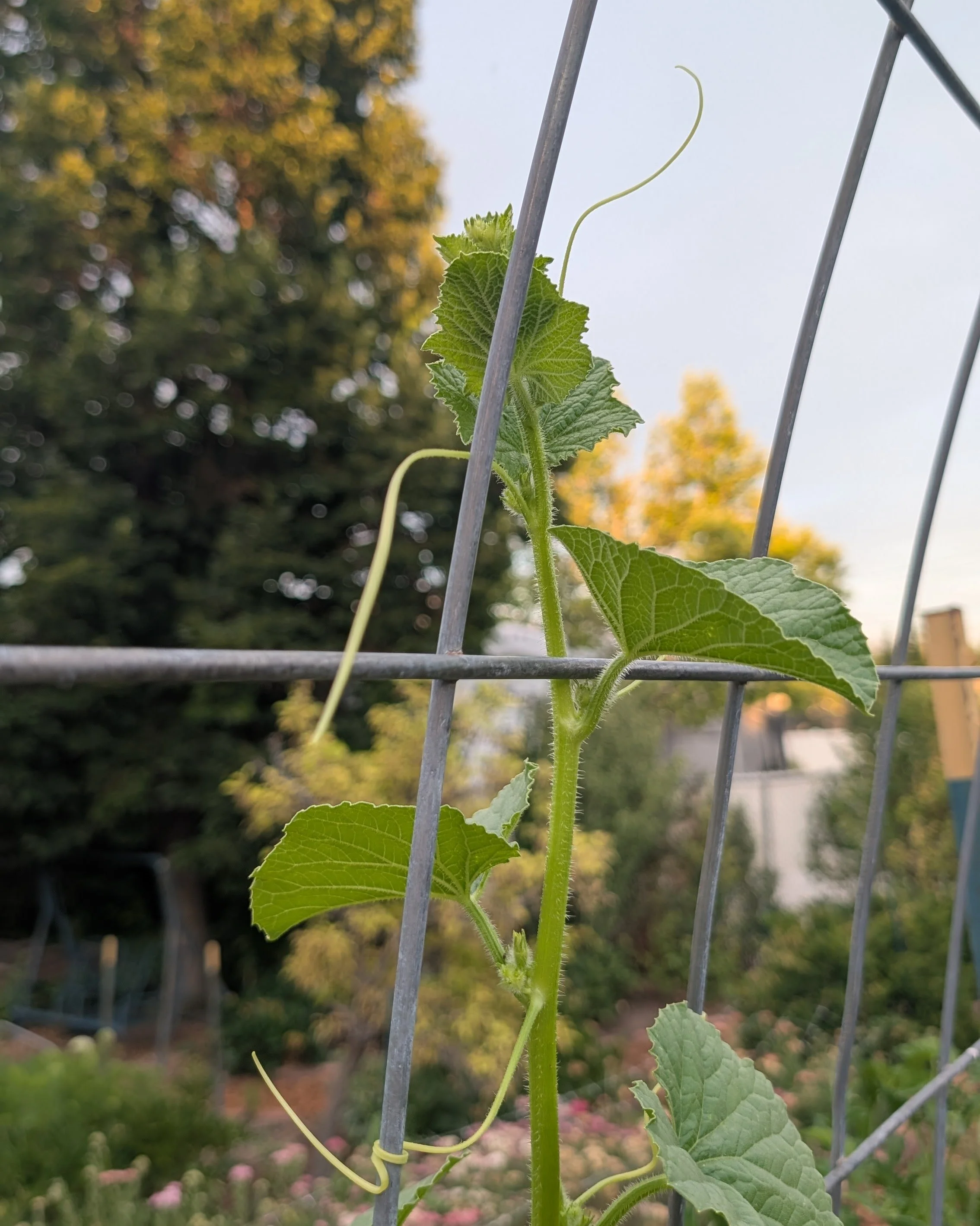
A cucumber vine trained up a cattle panel trellis.

Inside- 

  • Take notes of when varieties bloomed, any pest issues, flowers that you wish you had more of and those that you maybe had too much of, even your favorite color combos. You’ll be glad you have the notes when you go to plan next years garden.

  • Make sure you put on your sunscreen before heading out to the yard!

  • Order the bulbs you want to add to your garden in the fall. Some suppliers will offer a discount if ordered early.
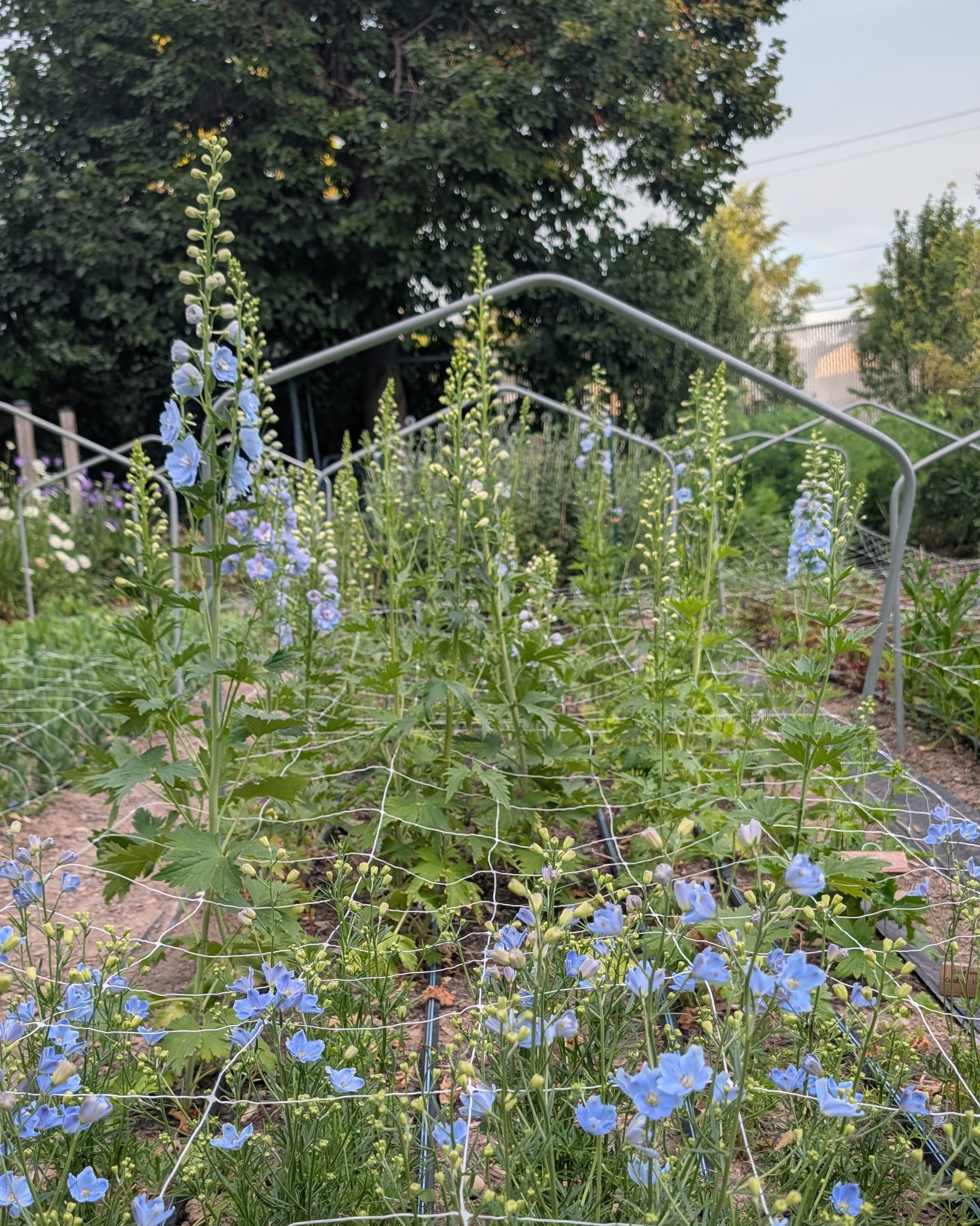
First year delphinium blooming in July

Seeds to start -

  • Direct sown flowers- early in the month you have time to plant zinnias and sunflowers.

  • Indoors- look for any “cool season” flower seeds that you would like to fall plant, order them now to start indoors in August.

  • You can try veggies like zucchini if they have a short days to maturity.

Happy gardening in July! See you with a new list in August.
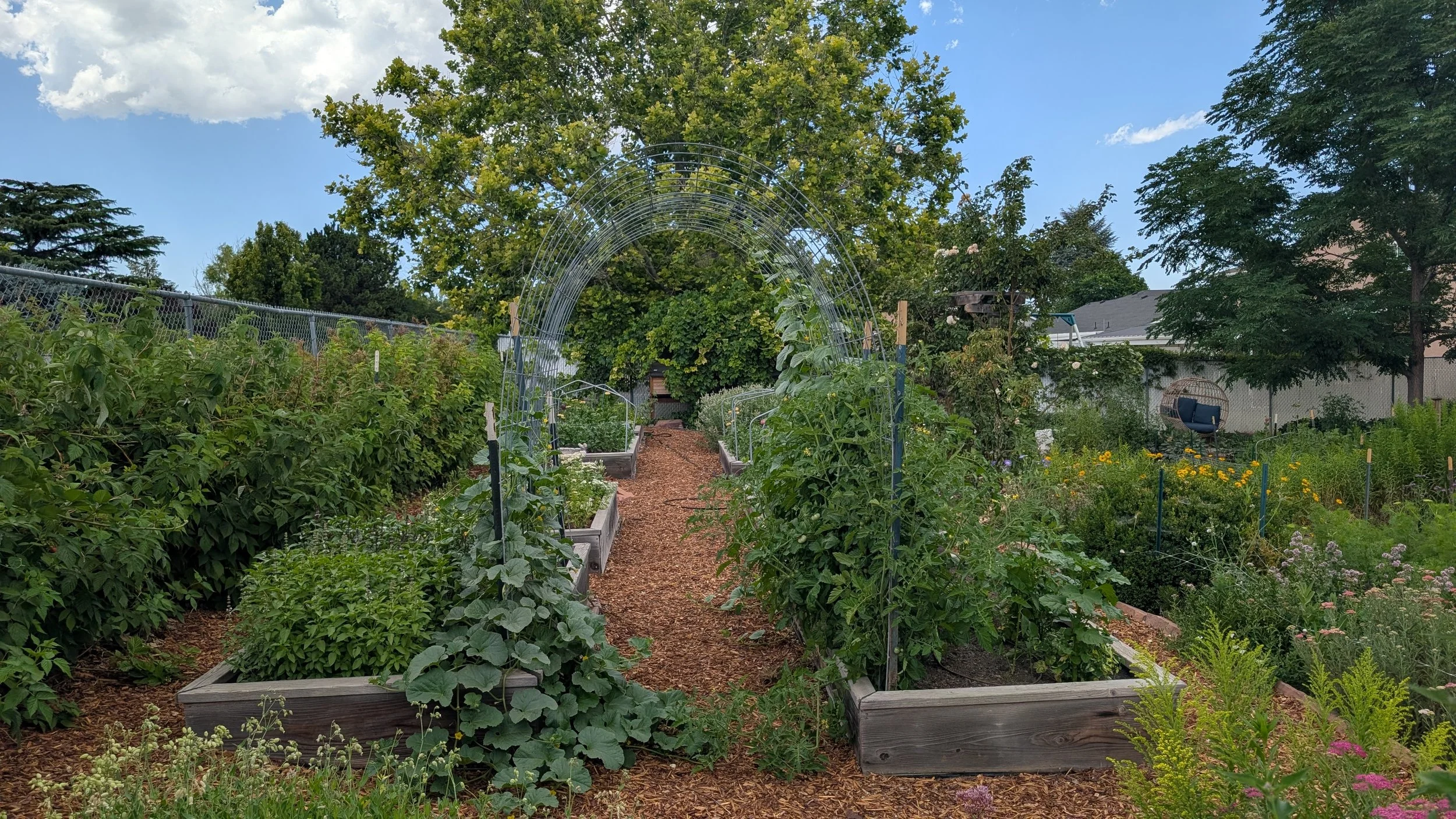
The veggie beds at Sego Lily Flower Farm


Best Garden Yet: September Edition.

September might be my very favorite month in the garden! The weather is mild without all the drama of springtime fluctuations, the bees are humming along and geese are beginning to head south. The dahlias are typically hitting their stride, and the fall blooming perennials are showing up to add something new to our late season bouquets. It is the best time to soak up the last full month of garden abundance.

If we spend a little extra time in the garden this month next spring becomes easier, here are some tasks to consider.

Outside

  • Weed. Catching those weeds before they go to seed means you’ll have less to contend with in the spring. It’s also easier when the ground is soft from autumn rain storms.

  • Deadhead. If I let all my self sowing plants go to town I would have a mess in the spring. I make sure to remove any spent old blooms in areas that I do not want more of that plant. I’ll leave a selective few for reseeding.

  • Collect seeds. While you are deadheading save some of those ripe seed head to either share or sow in next years garden. Here are some of favorite seeds to collect- Rudbeckia triloba, Silene Blushing Lanterns, Milkweeds, Ammi (Queen Anne’s Lace), Nicandra (Apple of Peru), Bell’s of Ireland, Lovage, Celosia, Zinnia, Cosmos, Chocolate Lace flower. Keep in mind that if harvesting seeds from a hybrid your seeds may not produce the same exact flower next year. I like to buy my hybrid seed new each year so that i have consistent results from my favorite cut flowers.

  • Divide and transplant mature perennials. Maybe a plant has out grown it’s space, or maybe you just really love it and want more of it for your yard or maybe you just want to move it to a new spot, which ever it is September is one of the best times to dig and divide plants. They are less likely to get heat stressed and if done early enough their roots can settle in before the cold times come.

    • To do this dig a circle a few inches out from the perimeter of the plant with a shovel or digging fork.

    • Once you’ve dug all the way around, begin lefting the shovel or fork to prying the plant from the ground, trying to take as much of the roots as possible.

    • Once the roots are loose, lift the plant out of the hole and take a good look at it. If there are lots of healthy roots you can divide the plant into several sections. Typically the bigger the sections the sooner you’ll get a bigger, blooming plant.

    • A handy rule is to divide spring and summer blooming plants in the fall, but wait for spring to divide fall bloomers.

  • Clear out any diseased annuals. Powdery mildew always hits this time of year. The spores overwinter on plant material left in the garden, so the better we clean up the less disease pressure we will hopefully have next year. Cleaning up before the frost hits means the plants are less crumbly and easy to remove in my opinion.

  • Prep any empty space for next year. Your spring self will thank you! You can also sow some winter kill cover crop. That way it germs and grows until it gets killed by the frost, making a nice mulch for the rest of winter. Some winter killed options, such as oats, field peas, oilseed radish, and mustard can grow late into the fall, enduring several hard frosts. Others, such as buckwheat, Sudan grass, and pearl millet have less frost tolerance and will die off earlier as temperatures drop below freezing.

Rudbeckia Triloba

Inside

  • Take notes. Write down your observations in your garden journal or a note app in you phone. Did you love a certain variety? Did you realize your irrigation needed adjustments? Did you notice when a pest moved in and that you need to spray eariler next year? Did you run out of filler or focals at a certain time? Write it alllll down! You can spend sometime researching this fall and winter and make a note of adjustments on your calendar for next season.

  • Prep for any preorders. Snuck Flowers at Snuck Farm opens for preordering of spring seedlings on October 1st. Also some dahlia growers do a preorder for tubers in the fall. Knowing what you’d like to try and how much space you have will help order just what you need.

  • Double check any bulb or peony orders so you can make sure to prep your spaces before they arrive.

  • Hang up some extra bunches of flowers for drying. Celosia, gomphrena, statice, and strawflowers are all good flowers to try. Hang them upside in a warm dark space, most garages make an excellent spot.

Seeds to Start

  • You can direct sow any winter hardy “cool flowers” pretty much anytime now til the ground freezes, they’ll come up when the temps are right for them. I like to fall plant nigella, ammi, larkspur, bells of Ireland, chocolate lace flower, bachelor buttons, agrostemma, and bupleurum.

  • It’s also a good time to transplant any cool season seedlings like pansies, snapdragons, feverfew.

I hope you enjoy your September in the garden!!

Best Garden Yet: January Edition

January is for dreaming, dreaming of all the new blooms and plans to come in the new year. Planning is a big part of the garden prep in the beginning of the year and we are going to have a little Garden Planning series to follow along with soon. In the meantime, here are some things to think about doing to start this year’s garden off right.

Outside-

  • We’ve had a fairly warmish winter thus far, your ground isn’t frozen you could work on any garden clean up that has yet to happen. Do try to stay off your soil in your planting beds if it is wet, walking or kneeling on wet soil can lead to compaction, not a good thing for your plants.

  • Talk a walk and notice the plants in your neighborhood that look good right now. Evergreens, grasses, and trees or shrubs with colorful or peeling bark add winter interest to our gardens.

  • If it is unseasonably dry and warm, water your bulbs, especially if you are growing them for cut flowers and need long stems. When you water, try to do it on a day where the nighttime temps stay above freezing and don’t forget to unhook your hose before it freezes again.

  • If you don’t have measurements of your garden space, grab a tape measure and get that info for your winter planning session.

Inside-

  • Take some time to dream about what to grow this next year. Make a wish list of plants to research. Pin some inspiration photos. Look through your saved posts on social media. Was there a bouquet or arrangement that you want to recreate? A tomato variety you are dying to try?

  • Look over your notes. What went well? What issues did you have? Take some time to research solutions to your garden problems. This year I’m going to invest some time in figuring out how to avoid powdery mildew.

  • Get a plan together BEFORE you buy seed or start any seed. This is a big task and I’ll have some thoughts for you in the following days.

  • Organize your seeds BEFORE you buy more, I’ll have a post on that too.

  • Inventory any tools or supplies you need, it’s nice to have them on hand when the weather gets good. Things to check- netting, plant tags, watering cans and nozzles, replacements for leaky hoses, seed starting materials, etc.

  • Read a gardening book, check out some gardening magazines from the library. I love me a copy of Fine Gardening or the Garden Gate.

  • Divide your dahlias if you haven’t already.

  • Start seeds that really need to be started this early, but don’t start any others.

  • Invest in some learning opportunities. Check out the Utah Flower Conference, the Utah Food and Farm Conference, or Urban and Small Farms conference.

Seeds to Start-

  • Only the long game seeds like lisianthus, trachelium, or slow growing perennials. Pay attention to the timing.

  • Direct sow any cool season hardy annuals. They will come up when the conditions are right. Some options are bells of Ireland, larkspur, bupluerum, ammi, nigella, daucus dara, and icelandic poppy.

I would love hear your plans for this years garden! Have a happy new year!