Best Garden Yet: November Edition

Are there even things you can do in the garden in November?!? There sure are! While it’s pretty chilly in most areas of Utah there are little things you can do to make next season the best yet.
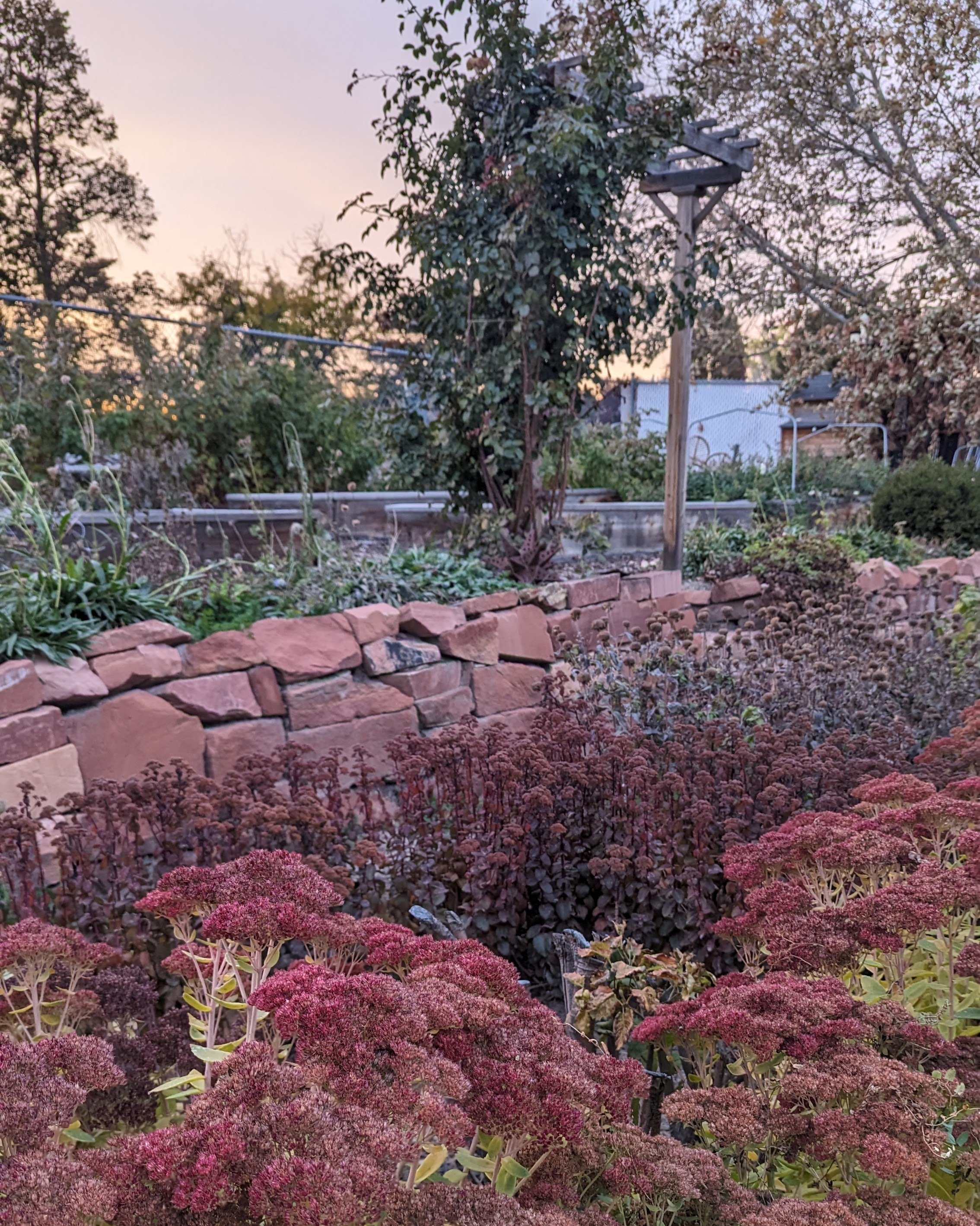
Outside-

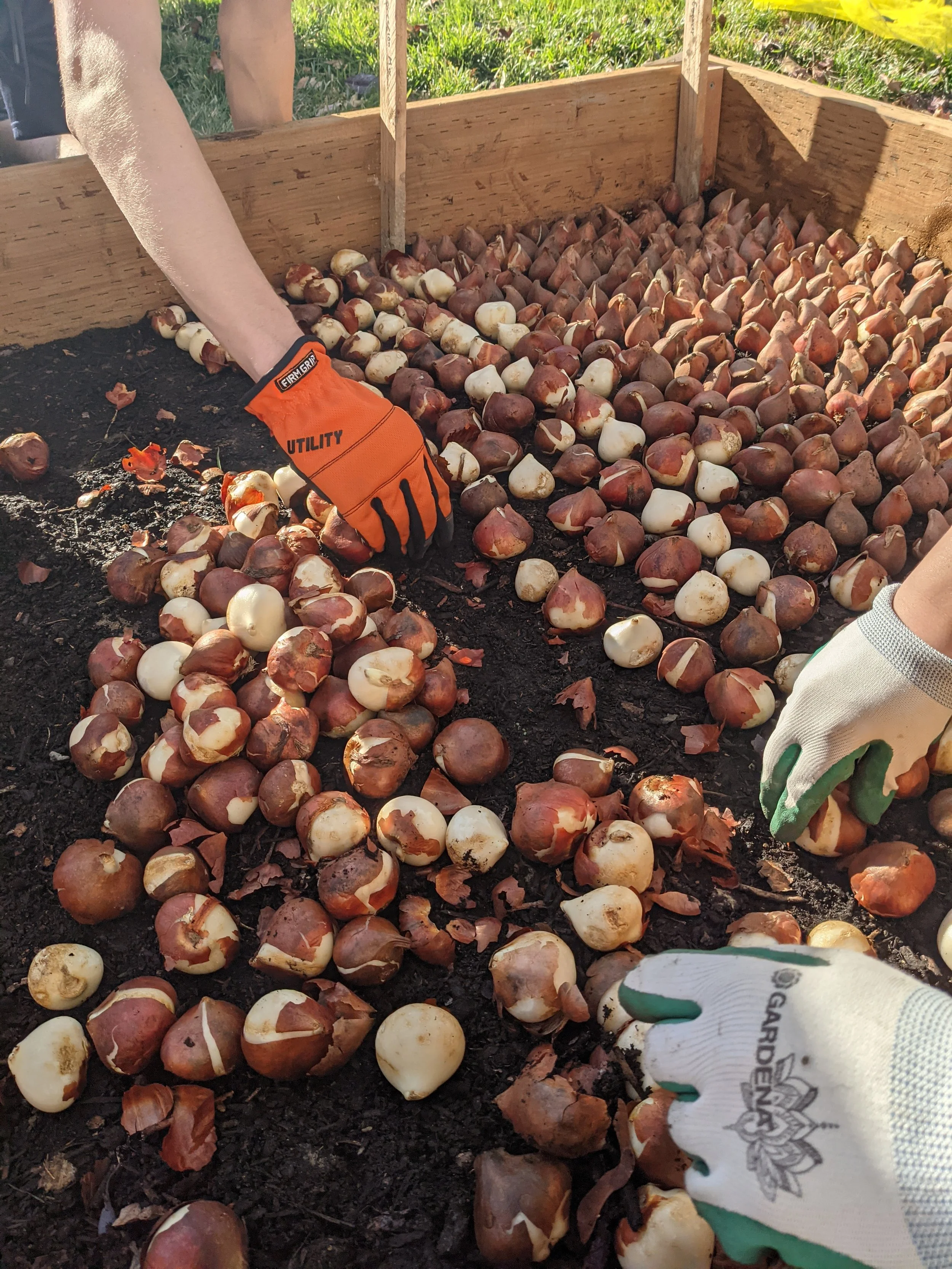
  • As long as the ground hasn’t frozen it’s not to late to plant bulbs like tulips, crocus, daffodils, and alliums. If the weather has been dry make sure to give them a good drink of water to settle them in.

  • If you haven’t yet, clear out any diseased foliage from any perennials. Powdery Mildew spores will hang out all winter on infected plant material. Removing this debris will help you get a head of it next year. Trash the foliage, do not compost it.

  • Make sure you’ve cleaned up any peony foliage. Even if they look good, peony foliage should always be cleaned up in the fall. They are especially susceptible to a lot of disease like botrytis and those diseases will over winter and affect your plants next year if not removed. Again trash the plant material, don’t compost it.

  • Sow some cold hardy seeds. They’ll emerge when they are ready with almost no work from you. See below for some suggestions.

  • Feel free to leave your healthy perennials and grasses, and even fallen leaves. You’ll provide habitat for beneficial insects and even food sources for birds.

  • Forage in your yard for any evergreens that would look fabulous in holiday trimmings. Spruce, pine, fir, holly, boxwood, juniper, Oregon grape, and arborvitae are good options for wreaths and swags.
Inside-

  • Take some time to write down how things went this season. What flowers bloomed their heads off? Which tomatoes were your family’s favorite? What disease always seems to strike your zinnias? Later in the winter you can take some to do some planning and research.

  • Take inventory of your seeds. Toss any that are too old, just keep in mind that different varieties last longer than others. You can find a great seed storage guideline here. You could even organize a holiday seed swap!

  • Take an inventory of your tools too. Are there too many of some and not enough of others? (I have about 28 pairs of snips, but desperately need a new 2nd digging fork). What needs to be sharpened, fixed or replaced? Plan to work on them after the holidays and put any needs on your Christmas list.

  • Order your seedlings for next spring. Locally you can get cut flower starts at Snuck Farm in Pleasant Grove. It’s a program I run during my winter downtime.

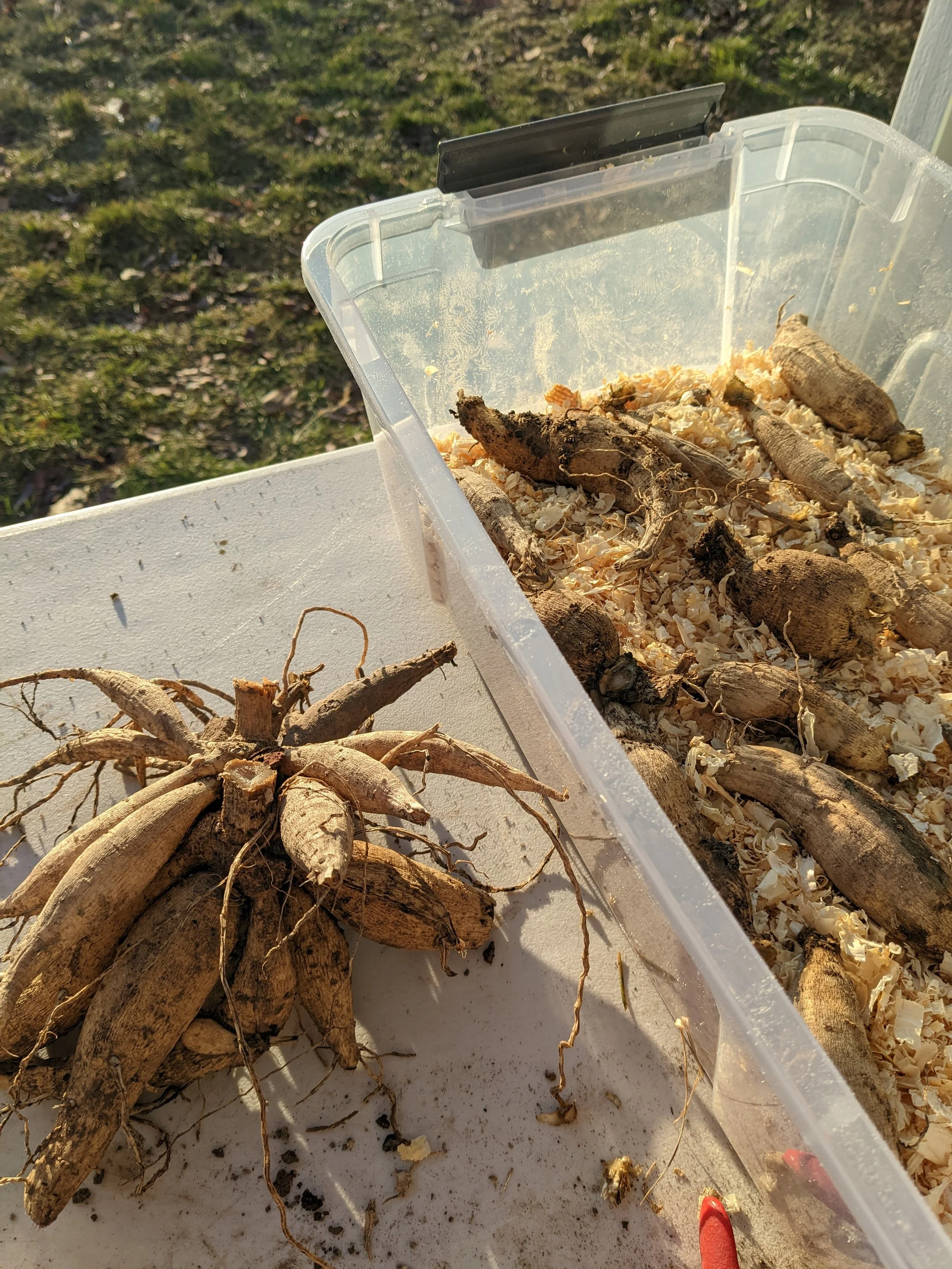
  • Divide your dahlias and get them tucked away for winter. Dahlias like to be stored between 40-50 degrees and do well packed in vermiculite or wood shavings.
Seeds to start-

  • Direct sow any of the following, even if there is snow on the ground. A lot of cold hardy plants need some cold temps to germinate, it’s called cold stratification. Bells of Ireland, nigella, bupleurum, larkspur, Agrostemma, Ammi, chocolate lace flower, and Icelandic poppies all do well direct sown in most northern Utah climates.

Happy November! I hope you enjoy a little cozy indoor weather with a seed catalog or two.

Best Garden Yet: May Edition

YAY for May!! May is such a fun month in the garden, the threat of snow is gone for most of us, unless you are gardening in some of the higher elevations here in Utah. I've made a list for you according to what I do here in my zone 6b/7a garden. By no means is it exhaustive, but it can give you a good idea of what you can plan to do this month in your garden.

Sego Lily Flower Farm in May

Outside-

  • By the first or second week you can plant out most of your warm season tender annuals. Some that you might wait on are celosia and peppers that like nights over 55 to 60 degrees. These can be planted later in the month.

  • Dahlias can go in the ground safely, plant them about 4-6 inches deep. Even if we have some cooler weather in the beginning of the month they will still be working to emerge and should be just fine.

  • Keep weeding! Your July self will thank you for staying on top of those pesky weeds.

  • Pinch your cool season hardy annuals. Pinching involves removing the growing tip of a plant to encourage branching. Some cut flower varieties that benefit from pinching are snapdragons, agrostemma, godetia, trachelium, dahlias, marigolds, cosmos, zinnias, basil, and celosia.

  • Take some time to enjoy your garden! Sit on a bench, swing in a hammock, have a bonfire.

  • Add a birdbath, birds make excellent pest hunters. Welcome them to your yard with a place to drink and bathe as it warms up.

  • Scout for pests like aphids. A strong jet of water from the hose can be a good way to handle an early infestation.

  • Put netting on your cut flower varieties. Horizontal netting helps support long stems keeping them straight and upright.

A newly emerged dahlia shoot

Inside- 

  • Start a second round of warm season annuals so that you have a succession of flowers to enjoy.

  • Make sure you put on your sunscreen before heading out to the yard!

  • Start a list of bulbs you want to add to your garden in the fall. You think you’ll remember that tulip variety you were drooling over but it’s best to take some notes.

Seeds to start -

  • Direct sown flowers- Cosmos, amaranth, marigolds, zinnias, sunflowers

  • Indoors-basil,  gomphrena, ageratum, celosia, (any of the above can also be started indoors if you have more luck that way)

  • Direct sown vegetables- beans, cucumbers, summer and winter squash, melon, pumpkins.

  • Plant out these vegetables and flowers- tomatoes, peppers (when it’s warm enough), eggplants, basil, zinnias, ageratum, gomphrena, annual asters, marigolds, cosmos, celosia, dahlias, geranium, amaranth

Happy gardening in May! See you with a new list in June.


Best Garden Yet: April Edition

April is when things really start to get fun in the garden! This month we should see some of the first real cut flowers in bloom. Here's a list of some of the things I do in April in my zone 7A Cut flower garden. If there's something I've missed, please feel free to add your thoughts in the comments below.

Tulips from the Sego Lily Flower Farm Spring Subscription

Outside-

  • WEED! This really should have been at the top of the list last month. The better you are at getting to the weeds in the spring, the less weeds you'll have later in the summer. Get them while they're small and before they go to seed.  I love hoes like this to help me get to the small weeds quickly.

  • Add mulch to your garden beds. Small annual additions of organic matter can help you improve your soil and suppress weeds. Don't go crazy, one to two inches is great.

  • Plan a day just for irrigation. Make sure all your new plants have drip irrigation to them and that your existing drip lines and sprinklers are working as they should. I flag broken lines and other issues with landscape flags when I come across them as I clean up my beds in the spring. That way I don’t waste time looking for that drip line I know I accidentally cut. (I know I’m not the only one that does this, right?)

  • Disbud your young peonies. If you have peony plants that are in their first two years of growing, you can help them channel more growth into their roots by disbudding. With your thumb and your forefinger simply snap off the small new buds. I tried to do this when the buds are pea size or smaller. This will let your plant focus on growing more roots and become a stronger, bigger plant sooner.

  • Plant out your cool season annuals. If you planted in March, this is a great time for a succession or for your first round of cool season Hardy annuals. I love to plant my lisianthus at the very beginning of April. Other things I'll be planting this month- snapdragons, scabiosa, rudbeckia, feverfew, statice, digitalis and more.

  • Plant some raspberries. They love to be planted when it's still a little cool. Check out this blog post for some inspiration!

  • This is a great time to plant perennials and shrubs. It gives them some time to get established before our hot weather kicks in.

  • Water your tulips if we don't get enough natural precipitation. You can check moisture levels by sticking your finger in the ground.

Disbudding new peonies

Indoors-

  • It's finally time! Break out those warm season seeds and get sowing! You will still want to wait till after the last frost date to do any direct sowing though.

  • Wash your buckets. If you are going to have some tulips, daffodils or hellebores blooming, make sure you're harvesting into clean buckets. Clean buckets are the key to long vase life.

  • If you haven't already, start keeping notes in a garden journal. Write down when things bloom, when you spray if you spray, which tulip varieties were your favorites, and so on. Your future self will thank you.

Seeds to Start-

  • Direct sown flowers- Ammi, agrostemma, larkspur, nigella, bells of Ireland, bachelor buttons, bupleurum, scabiosa, baby's breath, cosmos, sunflowers(towards the end of the month) 

  • Indoors- celosia, zinnias, nicandra, basil, gomphrena, ageratum, china asters, dahlia seeds, amaranth, marigolds, cosmos

  • Direct sown vegetables- peas, carrots, lettuce, spinach, chard, kale, radish, turnips

  • Indoors-  tomatoes early in the month, melons, cucumber and squashes later in the month.

  • Plant out these vegetables- broccoli, cauliflower, kale, cabbage

Happy gardening in April! See you with a new list in May.